
No single vegetable can replace those habits.
9. They May Be Worth Discussing If You Have Kidney Stones
This is one area where individual circumstances matter.
Beets are relatively high in oxalates, naturally occurring compounds found in many plant foods.
For people who are prone to certain types of kidney stones—particularly calcium oxalate stones—dietary oxalate intake may sometimes be relevant.
That doesn’t mean everyone needs to avoid beets.
For most people, eating a normal variety of vegetables is perfectly reasonable.
But if you’ve been diagnosed with recurrent calcium oxalate kidney stones, ask your healthcare professional or a registered dietitian whether limiting high-oxalate foods makes sense for your particular situation.
10. Beets Can Be Surprisingly Versatile
One reason beets are easy to include in a healthy diet is their versatility.
You can roast them until tender and serve them alongside other vegetables.
You can grate raw beets into salads.
They can be blended into soups or incorporated into grain bowls.
Cooked beets can also be combined with leafy greens, nuts, seeds, or a protein source to create a balanced meal.
Their earthy flavor pairs well with acidic ingredients such as lemon or vinegar.
You don’t need to consume large quantities to benefit from including them in your diet.
What About Beet Juice?
Beet juice deserves a separate discussion.
Juicing concentrates the liquid portion of the vegetable while removing much of the fiber found in the whole food.
Some research on exercise and blood-pressure effects has specifically used concentrated beetroot juice, rather than ordinary servings of cooked beets.
That means the findings from those studies shouldn’t automatically be applied to every glass of homemade beet juice.
Additionally, commercially available beet products can vary significantly in their nitrate content and serving size.
If you’re considering concentrated beetroot products for a specific health purpose, particularly if you take medication for blood pressure or have another medical condition, it’s worth discussing them with your healthcare professional.
Beets and Blood Pressure: What Should You Know?
Because dietary nitrates can contribute to nitric oxide production, beetroot has been studied in relation to blood pressure.
Some clinical research suggests that nitrate-rich beetroot consumption may produce modest reductions in blood pressure in certain people.
But this doesn’t mean beets can replace blood-pressure medication.
If you have hypertension and are taking prescribed medication, don’t stop or adjust it because you’ve started eating beets.
Instead, think of beets as one nutritious food that may complement an otherwise healthy eating pattern.
Why Your Body May React Differently Than Someone Else’s
Have you ever eaten beets with a friend and noticed that your urine changed color while theirs didn’t?
That’s completely possible.
People can respond differently to the same foods.
Differences in digestion, metabolism, gut conditions, diet, and individual biology can influence how strongly beet pigments appear in urine or stool.
The same principle applies to digestive effects.
One person might eat a large serving of beets without any discomfort.
Another might experience bloating after a much smaller amount.
Neither reaction necessarily means something is wrong.
Are Beets Safe for Everyone?
For most healthy adults, beets can be part of a varied, balanced diet.
But certain individuals may need to pay more attention to portion sizes or discuss dietary choices with a healthcare professional.
This can include people with:
A history of certain kidney stones
Specific kidney conditions
Conditions requiring careful potassium management
Individual dietary restrictions
Certain medication or treatment considerations
If you have a medical condition that requires dietary restrictions, personalized guidance is more useful than generic advice from the internet.
Don’t Let the Color Scare You
One of the funniest things about beets is that their strongest feature—their incredible color—can also make people think something is wrong.
Red urine.
Red stool.
Brightly colored cooking water.
Deep purple stains on cutting boards.
All of these can make a person wonder what happened.
But beet pigments are powerful natural compounds.
The dramatic color doesn’t necessarily mean anything dangerous is happening.
Still, context matters.
If you notice blood in your urine or stool and haven’t eaten beets recently, don’t assume it’s beet-related.
And even after eating beets, persistent or concerning symptoms deserve medical attention.
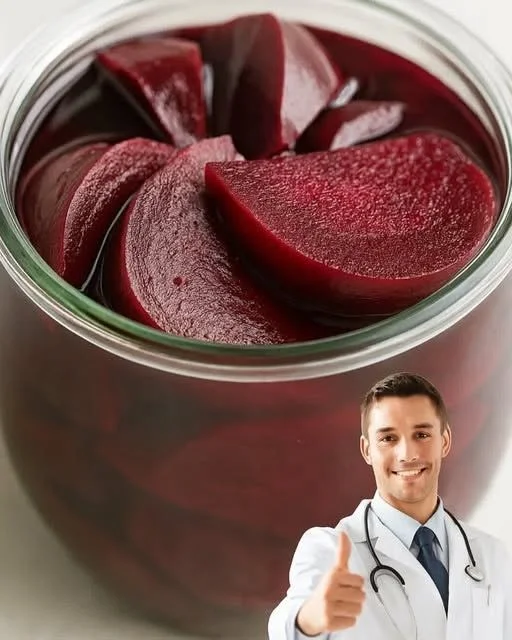
Vì sao bác sĩ cảnh báo không nên ăn quá nhiều củ dền?
How Much Should You Eat?
There isn’t one universally appropriate amount of beets for everyone.
A moderate serving can easily fit into a balanced diet.
You don’t need to consume huge amounts to make beets “work.”
In fact, eating a wide variety of vegetables is generally more useful than focusing excessively on one particular food.
Try rotating beets with foods such as:
Spinach
Broccoli
Carrots
Bell peppers
Tomatoes
Cabbage
Sweet potatoes
Different vegetables provide different combinations of nutrients and plant compounds.
Variety is the real advantage.
The Bigger Picture Matters Most
It’s easy to become fascinated by one food and ask whether it can transform your health.
But nutrition doesn’t work that way.
Eating beets while consuming an otherwise highly processed diet won’t magically cancel out unhealthy habits.
Likewise, not eating beets doesn’t mean you’re missing a miracle food.
What matters most is your overall dietary pattern.
A diet rich in vegetables, fruits, whole grains, legumes, nuts, seeds, and appropriate protein sources can provide a broad range of nutrients.
Beets can simply be one colorful piece of that larger picture.
The Bottom Line
Eating beets can produce some genuinely surprising effects.
Your urine or stool may temporarily turn red or pink. Their fiber can support normal digestion. Their natural nitrates may contribute to nitric oxide production and have been studied for effects on blood pressure and exercise performance. Their betalain pigments provide antioxidant plant compounds.
At the same time, beets aren’t a miracle cure.
People with certain medical conditions—particularly those involving kidney stones or dietary mineral restrictions—may need individualized advice.
And if you’re taking medication for a medical condition, don’t replace prescribed treatment with dietary changes without discussing it with your healthcare professional.
For most people, though, beets are simply a nutritious, colorful vegetable that can add variety to meals.
So the next time you slice into a beet and notice that unmistakable crimson color, don’t be surprised if your body leaves a little evidence behind.
Sometimes the most unexpected effects of a healthy food are also the most harmless ones.
